
GIRLS' FRONTLINE 2: EXILIUM
Darkwinter Software Co., Ltd.Strategy
4.52.61K Reviews
- Version
- 3.0
- Installs
- 1.00M
- Age Rating
- Mature 17+
Screenshots

Our Review of GIRLS' FRONTLINE 2: EXILIUM
 Analysis by Appyee
GIRLS' FRONTLINE 2: EXILIUM is the kind of strategy game I would recommend with a clear condition: you need to enjoy careful, turn-based decision-making and be comfortable with a free-to-play structure. Developed by Darkwinter Software Co., Ltd., it combines a military science-fiction setting with squad positioning, character collection, and battles that reward planning more than quick reactions. After spending time with it, my main impression is that its strongest ideas are also the reason it will not suit everyone. It offers satisfying tactical choices, but it asks for patience, attention, and a willingness to manage several layers of progression.
The game is free to download and sits in the mature 17+ category, so I would not treat it as a casual title for younger players. Its presentation aims for a more serious tone than a cheerful mobile tactics game, while the character-focused design remains central to the experience. The store lists an average rating of 4.5 from around 21 thousand ratings, and the game has passed one million installs. Those figures suggest a substantial audience, but they do not replace the more important question: whether its particular mix of tactical combat and collection systems matches the way you like to play.
Why the battlefield is the real reason to play
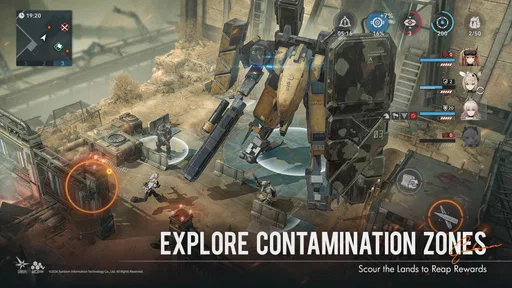
The best part of GIRLS' FRONTLINE 2: EXILIUM is the moment a battle becomes a positioning puzzle rather than a simple exercise in choosing the strongest attack. I found myself paying attention to cover, distance, turn order, and the safest route toward an objective. Moving a unit one space too far can expose it, while staying too cautious can leave the squad unable to control the map. That tension gives ordinary encounters more personality than a basic menu-driven battle system.
The turn-based format makes the game approachable even when a fight is demanding. I can pause mentally, inspect the situation, and decide whether to spend a valuable ability now or preserve it for the next exchange. This is especially useful on a phone, where interruptions are normal. If I have only a few minutes, I can make progress without needing the reflexes demanded by an action game. At the same time, the deeper fights are not mindless; they reward remembering what each member of the team can do and planning several turns ahead.
One practical habit improved my results more than simply upgrading characters: I started treating the opening turns as preparation rather than damage time. Establishing a safe formation, checking which enemies can reach my frontline, and choosing a target that can be removed efficiently often mattered more than immediately using every powerful skill. This is a useful distinction for new players because the game can look like a character-strength contest at first. In practice, a less impressive squad can perform better when its positions and actions are coordinated.
Terrain and cover also change the value of a unit. A character who feels underwhelming in an open area may become much more useful when placed where protection limits incoming fire or where a narrow route controls enemy movement. I recommend testing a team in several mission types before deciding that a character is weak. The tactical environment can reveal strengths that are easy to miss if every battle is approached as a race to deal maximum damage.
Another strength is the way combat encourages role awareness. I do not want every member of a squad to perform the same job, because that makes decisions flat. Here, choosing who should attack, support, reposition, or absorb pressure creates a more interesting rhythm. The best turns are not always the most spectacular ones. Sometimes a defensive action or a move that preserves a future angle is the choice that prevents the entire plan from collapsing.
That depth makes the game more rewarding than many mobile strategy alternatives that reduce battles to automatic victories and upgrade screens. It is closer to a compact tactical board game in spirit, although the collection structure gives it a much longer progression loop. Players who enjoy examining a map before committing to an action will find more to think about here than in a typical idle strategy title.
A campaign that works best when you set your own pace
The narrative presentation gives the battles context and helps the cast feel like more than interchangeable statistics. I liked having a reason to care about the squad beyond the next reward, even though the story can sometimes slow the momentum between missions. The game asks me to move between combat, character development, and story scenes, so it is better suited to players who enjoy the full package than to someone looking only for short tactical challenges.
For an everyday example, I could see playing it during a commute or while taking a break, but I would not begin a difficult mission when I knew I might need to put the phone down immediately. The game is convenient in short sessions, yet the most interesting decisions deserve concentration. A sensible routine is to use brief breaks for routine progression and save harder stages for a quieter period. That approach reduces the temptation to rush a mission and then spend resources correcting a poor result.
The progression systems give the game a steady sense of purpose. Improving a character is not only about making a number larger; it also changes which teams are practical and which strategies are available. However, this is where the experience begins to feel more demanding. There are enough development choices to make careless spending frustrating, particularly when a player is still learning which roles fit their preferred style.
My advice is to avoid spreading every resource across the entire roster at the beginning. Building a dependable core team first makes the early game easier to understand and leaves room to experiment later. I would also keep a record, even mentally, of which characters cover different tactical needs. This prevents the common mistake of investing heavily in several units that all solve the same problem while leaving the squad without a reliable answer to a different threat.
The free-to-play structure requires self-control
The game costs nothing to start, but the in-app purchase range runs from $0.99 to $124.99 per item. That matters because the collection and progression design can make new characters or faster development feel tempting. I did not see the purchase option as a reason to dismiss the game, but I do think players should decide their spending boundary before they become attached to a particular character or team idea.
For me, the healthiest way to approach it is as a strategy game first and a collection game second. If I focus on learning the battlefield, I can judge a character by how that unit changes my options. If I focus mainly on acquiring every desirable character, the experience becomes more stressful and the tactical layer starts to feel like a barrier between purchases. That distinction is important for anyone considering the game because the same systems can feel motivating or exhausting depending on the player’s expectations.
There is also a time cost that is easy to underestimate. Building a roster, improving equipment or abilities, and understanding team combinations all require attention. Players who want a game they can finish in a few minutes without remembering previous decisions may find the routine work tiring. Automatic or simplified options can be useful when repeating familiar content, but relying on them too heavily weakens the part of the game that makes it worth playing.
The main weakness, in my view, is that the game sometimes places too many demands around the battles I actually came to enjoy. When progression tasks, resource decisions, and roster management accumulate, the tactical core can feel less immediate. I wanted to test an idea on the battlefield, but occasionally found myself first needing to improve a character, check another menu, or wait until the squad was ready. That friction is not fatal, but it makes the experience less clean than a dedicated premium tactics game.
This is also where the comparison with alternatives becomes useful. A premium strategy game is usually easier to recommend to someone who wants a complete, predictable experience without purchase pressure. A casual auto-battler is better for players who prefer short sessions and minimal planning. GIRLS' FRONTLINE 2: EXILIUM occupies the middle ground: it offers more tactical involvement than an idle title, while remaining more accessible and collection-focused than a traditional strategy game. Its advantage is variety and long-term progression; its cost is complexity and patience.
Who will get the most from the game
I think the best audience is someone who enjoys turn-based squad tactics but also likes developing a roster over time. You will probably appreciate it if you enjoy asking questions such as which character should take the risky position, when a powerful skill is worth spending, and how a team changes when one member is replaced. The game is particularly appealing if you like revisiting a stage with a better plan rather than simply overpowering it.
It is also a reasonable choice for players who want a mobile strategy game that can be played in separate sessions. The turn-based design is forgiving when real life interrupts, and the gradual structure gives you something to work toward. I would still recommend playing with notifications and spending habits under control, because the collection layer can easily turn a relaxing session into a checklist.
I would skip it if you want a purely competitive experience with minimal story, a one-time purchase, or instant access to every tactical option. I would also look elsewhere if your favorite mobile games are fast action titles where movement and timing matter more than planning. This is not a game I would hand to a friend who dislikes menus, character development, or repeating content to strengthen a team.
New players should resist judging the entire game by the earliest battles. The opening stages teach the basic rhythm, but the more meaningful decisions appear when positioning, team roles, and resource use begin to interact. I recommend trying several formations before committing to one favorite lineup. A squad that looks strong on paper may be awkward on a particular map, while a balanced group can succeed because it has answers for more situations.
The mature 17+ rating is another reason to consider the intended audience carefully. Even if you are primarily interested in strategy, the overall presentation is not designed as a child-friendly title. Adults who enjoy character-driven science-fiction games will be more likely to understand what the game is trying to do, while parents should treat the age label as a meaningful part of the decision rather than an incidental store detail.
What I would change before recommending it without reservations
I would like the path from choosing a mission to making the first tactical decision to feel more direct. The combat itself has enough personality to carry the experience, so every extra layer around it should clarify rather than distract. Better signposting for resource priorities would also help newcomers avoid investing in a scattered roster. The game is not impossible to learn, but it asks the player to discover several important habits through trial and error.
I also think the collection side needs to be approached with realistic expectations. The appeal of a new character is understandable, yet no roster addition automatically fixes weak planning. A player who spends without learning positioning may still struggle, while someone who studies the battlefield can often get more value from a focused team. That is both a strength and a limitation: the game preserves a real strategy layer, but it does not always make the relationship between preparation and success immediately obvious.
Version 2.15 gives the game a substantial, actively maintained feel from a player’s perspective, but I would still judge it by the current experience rather than assuming every future update will solve its rough edges. The important question is whether the present combination of tactical encounters, story, and collection progression already appeals to you. In my experience, it does when I approach it patiently and keep my goals modest.
My verdict after playing
GIRLS' FRONTLINE 2: EXILIUM succeeds because its battles ask real questions. Where should I move, which threat deserves attention, and what can I afford to delay? Those decisions give the game a stronger identity than a standard character-collection title. Its science-fiction cast and progression systems add long-term interest, while the turn-based format makes it practical for mobile play.
Its limitations are equally clear. The surrounding progression can feel busy, the free-to-play economy demands discipline, and players who want a quick, uncomplicated strategy game may lose patience. I would not recommend spending simply to overcome a difficult stage, because learning the map and improving team structure are more satisfying solutions. I would also avoid building a large roster too early; a focused group makes both the combat and the resource economy easier to understand.
Overall, I recommend it to adults who want a mobile tactical strategy game with a persistent roster and enough depth to reward repeated play. I would choose a premium alternative for someone seeking a cleaner, self-contained campaign, and a simpler auto-focused game for someone who wants almost no management. For the right player, though, this is a thoughtful and attractive way to spend short sessions while still having meaningful decisions waiting in the next battle.
The developer, Darkwinter Software Co., Ltd., has built a game that is more demanding than its compact mobile format first suggests. Go in expecting a gradual relationship with the squad rather than instant mastery. If you enjoy experimenting, saving resources, and turning a difficult encounter around through better positioning, the free entry point makes it worth trying. If those chores sound less appealing than the battles themselves, you will probably notice the friction before the strengths have time to win you over.
Privacy and Permissions
See what permissions an app requests and how it handles your data.
- Device & app history
- retrieve running apps, read sensitive log data
- Phone
- read phone status and identity
- Photos/Media/Files
- read the contents of your USB storage, modify or delete the contents of your USB storage
- Storage
- read the contents of your USB storage, modify or delete the contents of your USB storage
- Wi-Fi connection information
- view Wi-Fi connections
- Device ID & call information
- read phone status and identity
- Other
- view network connections, connect and disconnect from Wi-Fi, full network access, prevent device from sleeping
Verdict
Strengths of GIRLS' FRONTLINE 2: EXILIUM
- Deep tactical combat with meaningful positioning and team composition.
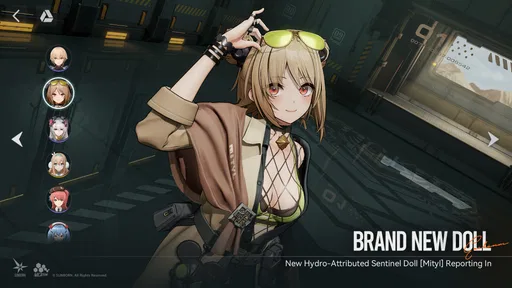
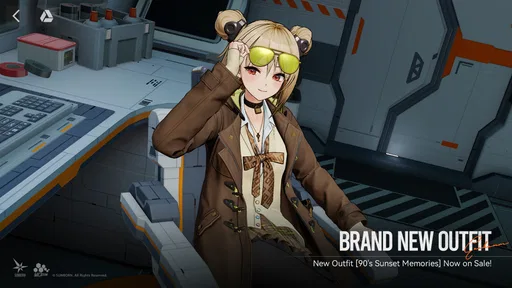
- Detailed character designs and polished 3D animations.
- Generous story content for players who enjoy lengthy campaigns.
- Regular events add new challenges, rewards, and limited-time activities.
- Multiple upgrade systems provide long-term goals beyond the main story.
Limitations of GIRLS' FRONTLINE 2: EXILIUM
- Large download size may be demanding for devices with limited storage.
- Combat can feel repetitive during extended farming sessions.
- Progression becomes increasingly dependent on resource management.
- Some content and rewards are tied to limited-time events.
- Gacha results can make obtaining preferred characters unpredictable.
Similar Picks in This Category
View All
Clash of Clans
Supercell4.5

Plants vs. Zombies™
ELECTRONIC ARTS3.7

Lords Mobile: Kingdom Wars
IGG.COM4.5

Clash Royale
Supercell4.4

State.io — Conquer the World
CASUAL AZUR GAMES4.1

Car Driving School : Car Games
Spark Game Studios3.9
Frequently Asked Questions
What is GIRLS' FRONTLINE 2: EXILIUM?
GIRLS' FRONTLINE 2: EXILIUM is a tactical turn-based RPG and sequel to the original GIRLS' FRONTLINE. You lead a squad of T-Dolls, highly trained android characters, through a post-apocalyptic science-fiction story. Battles focus on positioning, cover, weapon ranges, skills, and team composition, while the game also includes character development, equipment upgrades, exploration elements, and story-driven missions.
Can I play GIRLS' FRONTLINE 2: EXILIUM offline?
No, the game generally requires an internet connection to play. Its online connection is used for account access, story and combat data, events, updates, purchases, and other live-service features. A stable Wi-Fi or mobile-data connection is recommended, especially when downloading additional resources. Players should also expect regular updates, which may require considerable storage space on an Android or iOS device.
Is GIRLS' FRONTLINE 2: EXILIUM free to play?
Yes, GIRLS' FRONTLINE 2: EXILIUM can be downloaded and played for free, but it includes optional in-app purchases. The main monetization system is built around obtaining and developing characters, weapons, resources, and cosmetic or progression-related items. You can experience the story without paying, although spending may provide additional chances to acquire preferred T-Dolls or speed up certain forms of progression.
What kind of gameplay does GIRLS' FRONTLINE 2: EXILIUM offer?
The core gameplay is turn-based tactical combat on grid-based battlefields. Before and during each encounter, you need to consider terrain, cover, elevation, enemy weaknesses, action order, movement, and the abilities of each T-Doll. Team building is important because different characters fulfill roles such as damage dealer, support, defender, or specialist. Outside combat, the game combines narrative scenes with character progression and resource management.
What devices and storage requirements are needed for GIRLS' FRONTLINE 2: EXILIUM?
GIRLS' FRONTLINE 2: EXILIUM is designed for relatively modern Android and iOS devices, but exact compatibility depends on the operating system version, hardware, and regional store requirements. Because the game contains high-quality 3D visuals, voice content, cinematics, and frequent downloadable resources, it may require substantial free storage beyond the initial download. Closing background apps and using a device with adequate memory can also improve performance.
Play our best games!


